Pre-Medicine
From Undergraduate Study to Medical School
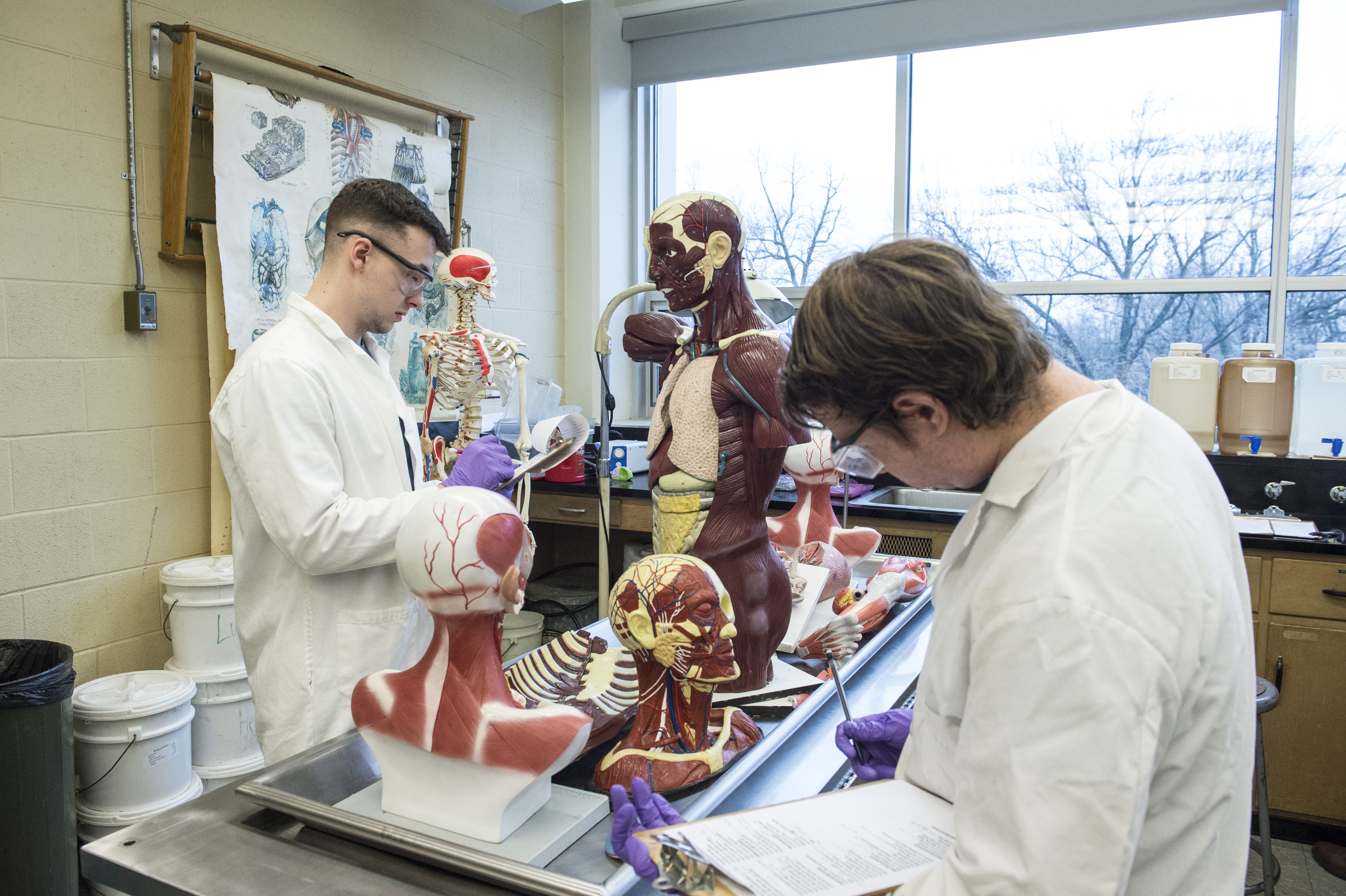
At SIU, Pre-Medicine is a professional track rather than an academic major. This designation is a way for you to formally indicate your intention to apply to medical school, allowing our specialized support services to be tailored to your specific journey. Because "Pre-Med" is a track, you have the academic freedom to choose a major that aligns with your personal interests while we help to ensure you meet all medical school prerequisites.

Choose Your Path to Medicine at SIU
While Pre-Medicine is not a major, it is a professional track that indicates your intention to apply to medical school while allowing you the flexibility to pursue any field of study that inspires you. As a Pre-Medicine student, you have the freedom to choose any major in which to earn your degree at SIU, provided you carefully align your curriculum with the admission requirements of your intended medical programs. Medical schools do not require a specific degree; instead, they value proficiency in the core sciences and a well-rounded academic background. You may view the popular major choices below to see how these pathways naturally integrate your prerequisites, or if you are still undecided, you can visit our Choosing a Major page to weigh your options and find the best fit for your personal and professional goals.
Biochemistry
School of Chemical and Biomolecular Sciences
Studies the structures and interactions of proteins, lipids, and nucleic acids to provide a molecular-level understanding of the chemical processes within biological systems.
Biological Sciences (Biomedical Science)
School of Biological Sciences
Provides a broad foundation in life sciences, with a specialization in Biomedical Science designed for pre-health students.
Microbiology
School of Biological Sciences
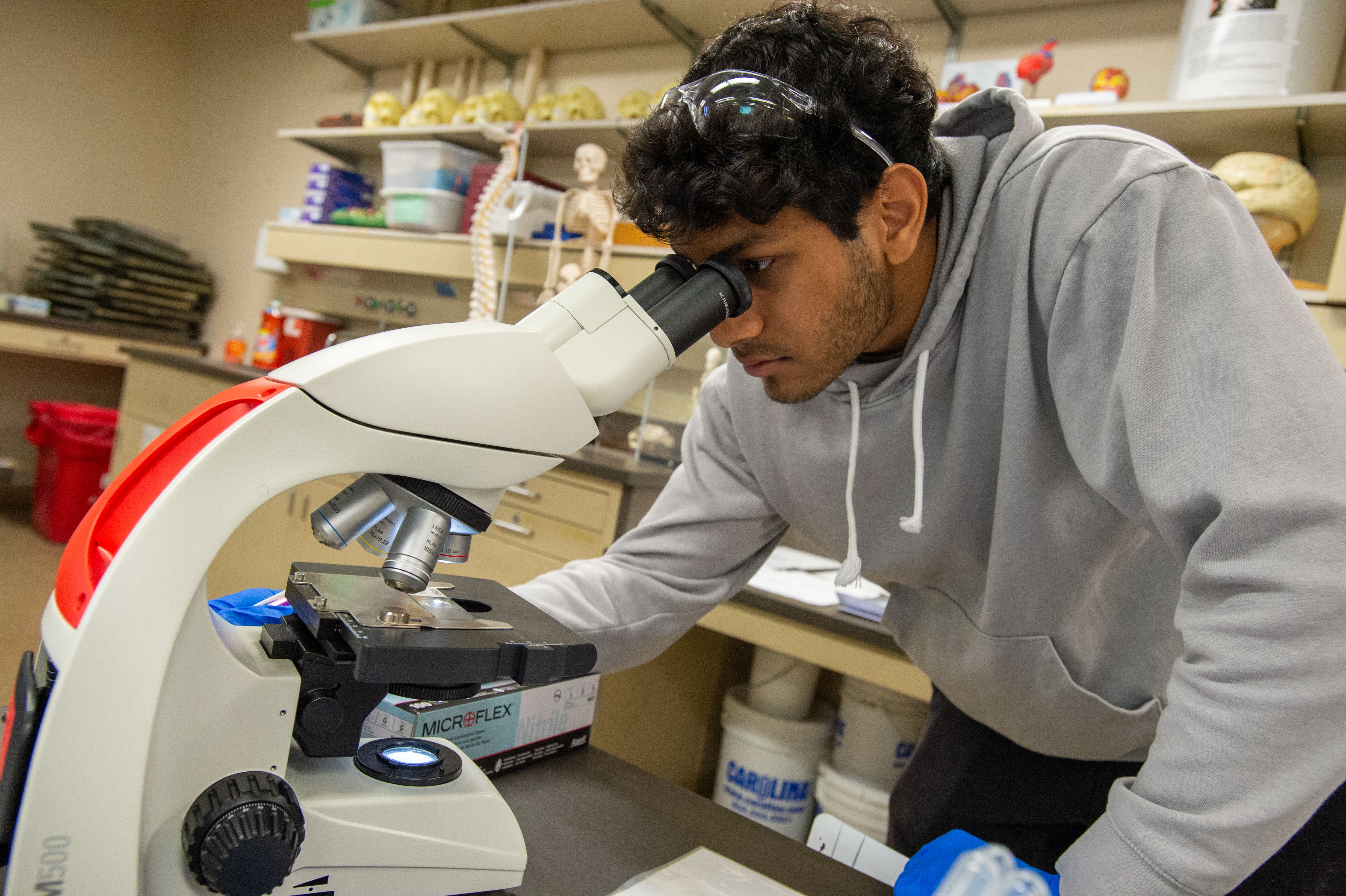
Explores the world of microscopic organisms, offering excellent preparation for understanding infectious diseases and immunology.

Physiology
Department of Physiology
Offers a deep dive into the functions of living systems, providing essential preparation for understanding human anatomy and the systemic biological functions of the human body.
Medical College Admission Test (MCAT)
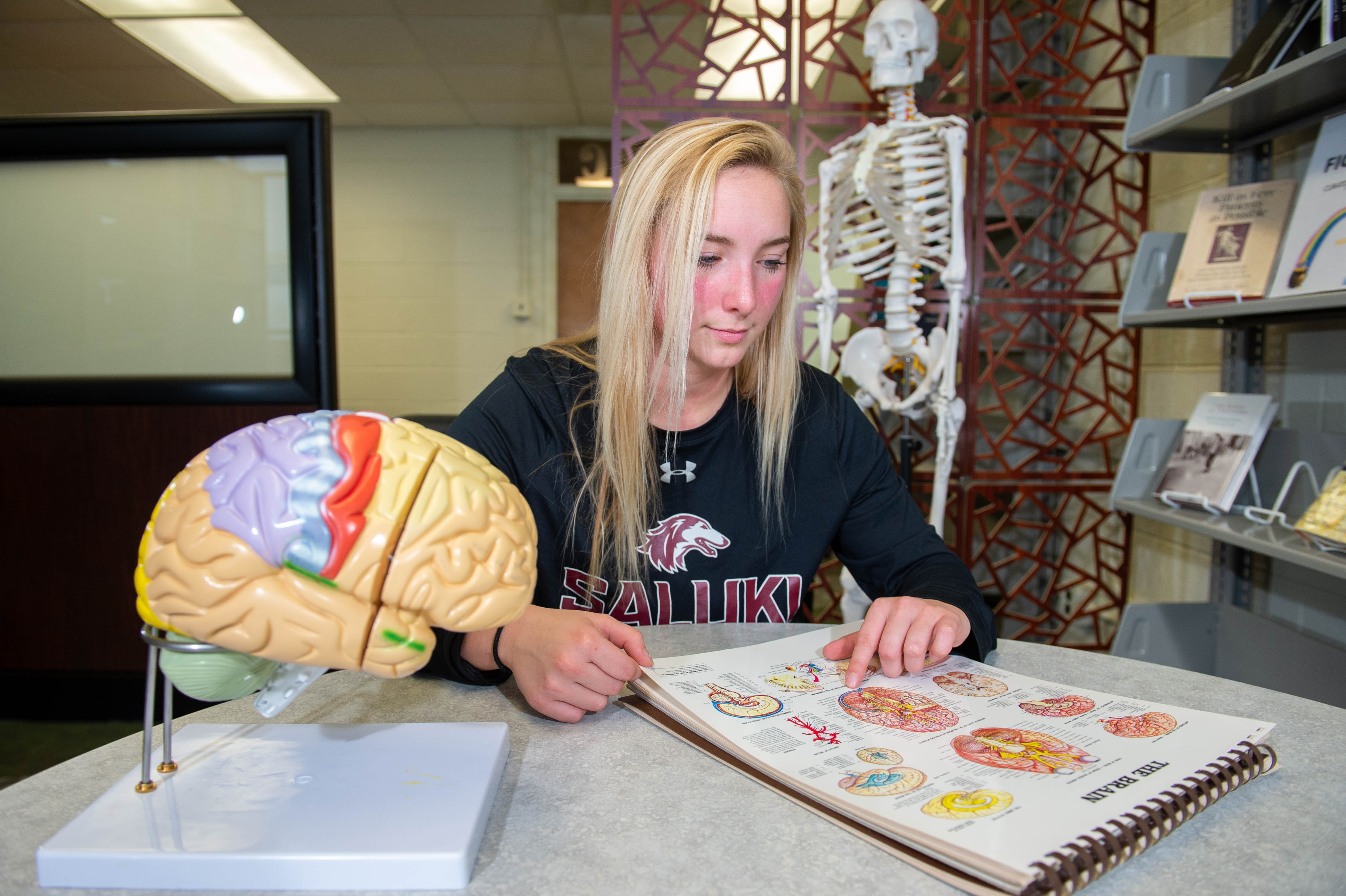
The Medical College Admission Test (MCAT) is a required component for admission to nearly all medical school programs. This standardized exam is designed to assess your readiness for the medical school curriculum by evaluating your knowledge of biological sciences, physical sciences, and behavioral concepts, as well as your critical thinking skills.
Charting Your Course
Navigating the MD vs. DO Decision
While the abbreviations after a physician’s name may differ, the destination remains the same. Both paths lead to reaching your goal of becoming a licensed physician with a lifelong commitment to patient health. Whether you choose the allopathic (MD) or osteopathic (DO) path, it is important to know that the residency match process is now unified, meaning students from both tracks compete for the same postgraduate training positions in every specialty. Ultimately, patients rarely ask which degree their doctor holds; they care about receiving care from a physician who is both clinically competent and deeply compassionate. As you navigate this choice, focus on which educational philosophy resonates most with your personal approach to medicine, knowing that either credential grants you the full authority to practice, prescribe, and lead in the healthcare field.

DO: Doctor of Osteopathic Medicine
Osteopathic medicine is defined by a whole-person approach to healthcare. DOs are trained to look beyond your symptoms to understand how lifestyle and environmental factors impact your overall wellbeing. They practice medicine according to the philosophy that all body systems are interconnected.
Philosophical Focus
Holistic, patient-centered care with a strong emphasis on preventative medicine and primary care.
Application Service
Applications are submitted through AACOMAS (American Association of Colleges of Osteopathic Medicine Application Service).
Unique Training
DO students complete extensive training in Osteopathic Manipulative Medicine (OMM), learning hands-on techniques to diagnose, treat, and prevent illness or injury by manipulating a patient’s muscles and joints.
Licensing Exams
Students typically take the COMLEX-USA exam series, though many also choose to sit for the USMLE to maximize their residency options.
Deciding if this approach is right for you?
Learn more about the osteopathic philosophy and why students choose the DO path at AACOM.
MD: Doctor of Medicine
Allopathic medicine is the most common form of medical practice in the United States. MDs are trained in the classic Western medical model, which focuses on diagnosing and treating specific diseases and symptoms through medication, surgery, and other evidence-based interventions.
Philosophical Focus
Traditional, evidence-based medicine that utilizes systemic treatments to combat the effects of disease and acute illness.
Application Service
Applications are submitted through AMCAS (American Medical College Application Service).
Unique Training
Training is deeply rooted in research and specialized clinical rotations, with a historical edge in securing placements in highly competitive surgical and research-intensive sub-specialties.
Licensing Exams
Students take the USMLE (United States Medical Licensing Examination) series, commonly known as "The Boards."
Still exploring your options?
Discover the different medical specialties and the journey to becoming an MD through the AAMC.
The Core Pre-Med Competencies
Regardless of the path you choose, medical schools use a holistic review process to look for well-rounded individuals. While strong grades and MCAT scores are essential, the Association of American Medical Colleges (AAMC) has identified a set of core competencies that are vital for success in medical school and as a future physician. Ranging from professional conduct and service orientation to critical thinking and scientific inquiry, developing these traits through your coursework, clinical experiences, and campus involvement is a key part of your journey.
Resources for Navigating Your Pre-Medicine Journey
Preparing for a career in medicine requires a foundation of academic excellence, resilient critical thinking, and a profound commitment to patient care. Use the resources below to engage with Student Organizations on campus, connect with professional networks, and manage your applications to medical school.